
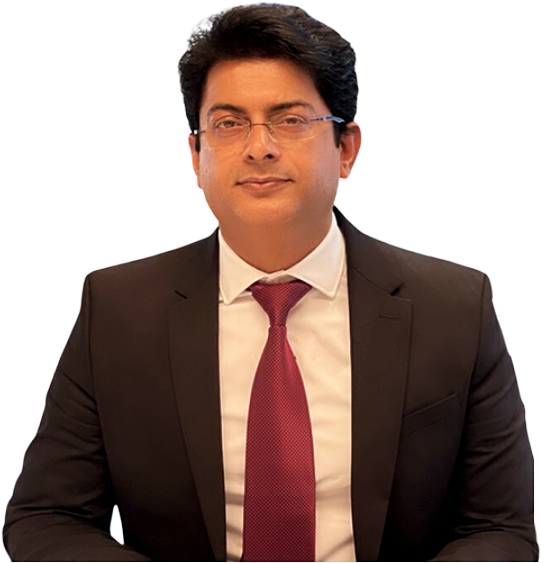
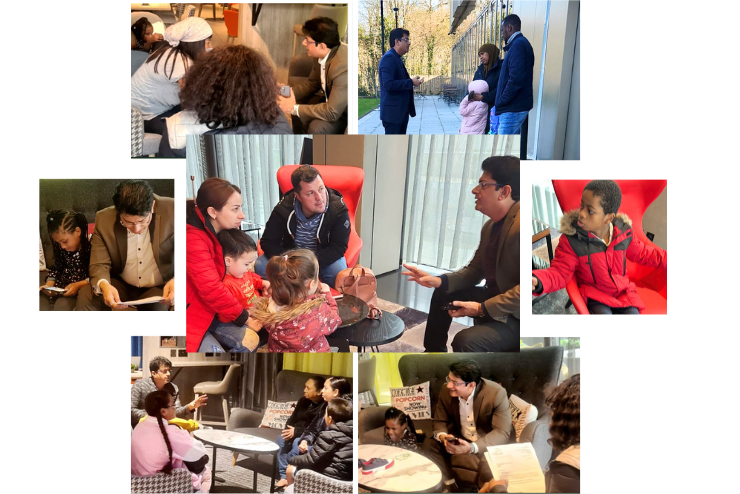


Dr. Navdeep Sharma with his expertise of over 22 years has been treating patients dealing with Psychological disorders such as Autism, ADHD, OCD, Depression etc with an Ayurvedic approach for holistic therapies. His research works and achievements in the field of psychopathology include :
• An analysis on “The Role of Various Herbal Remedies and Dietary Supplements for the Therapies of Depression and Anxiety Disorders (2016)”.
• “The Role of Ayurveda in the Therapies of Stress and Mental Disorders or Illness (2016)”.
• Research work on “Role of Ayurvedic Herbs in psychological Ailments” presented at The Middlesex University London.
• Awarded Thrice at the British Parliament for extensive research work in Autism.
• Listed in the “International Book of Honour England” for his exemplary work in the field of Autism, ADHD and Psychological Disorders.
• Dr Navdeep Sharma- A name in “World Book of Records” Honoured
for his excellent contribution in promoting Ayurveda and developing
the chain of Ayurvedic treatment and Panchkarma centers in various
parts of the globe at House of Lords (British Parliament), London
• World’s Youngest Ayurvedic expert to be felicitated with the title of “Pranacharya” by Akhil Bhartiya Ayurveda Mahasameelan. It is one of the most prestigious titles to be bestowed on an Ayurvedic expert.
Autism Spectrum Disorder (ASD) is a developmental condition that affects how a person communicates, interacts, and experiences the world. It varies widely in each individual, which is why it’s called a “spectrum.” Some may need significant support, while others live independently and have unique strengths. Early therapy and support can help improve skills. Autism is not a disease—it’s a different way of thinking and being that deserves understanding and acceptance.
Attention-Deficit/Hyperactivity Disorder (ADHD) is a common neurodevelopmental condition that affects focus, impulse control, and activity levels. People with ADHD may have trouble paying attention, staying organized, or sitting still, but they often show creativity, energy, and problem-solving skills. Symptoms vary by person and can be managed with therapy, lifestyle changes, and sometimes medication. ADHD isn’t a flaw—it’s a different way of thinking that benefits from support and understanding.
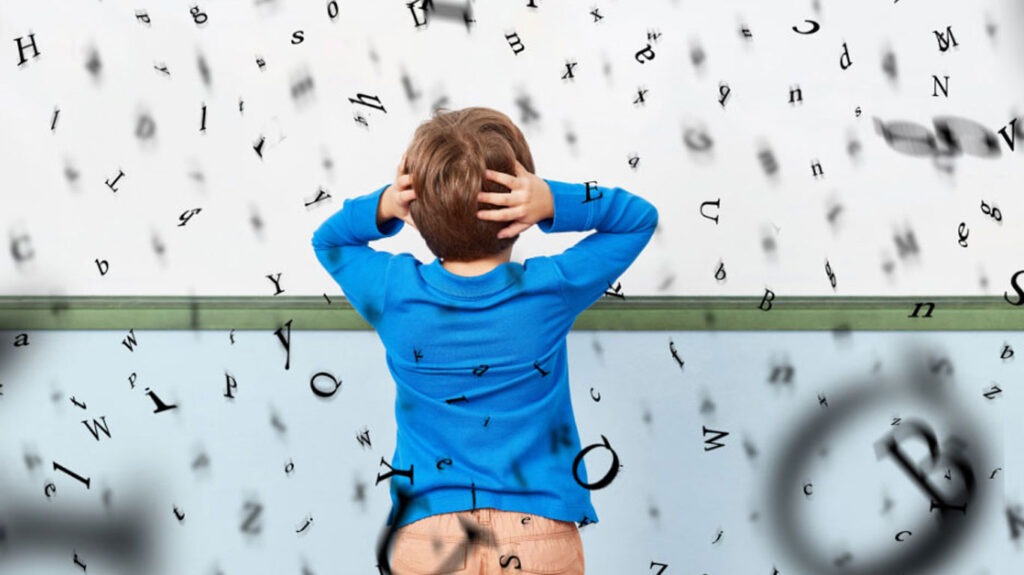
Dyslexia is a common learning difference that affects reading, writing, and spelling skills. It’s not related to intelligence—people with dyslexia often think in creative and visual ways. They may struggle with decoding words or reading fluently, but with the right support, such as multisensory learning and tailored instruction, they can thrive. Dyslexia is a lifelong condition, but early help can make a big difference. It’s a different way of learning that deserves patience, support, and understanding.
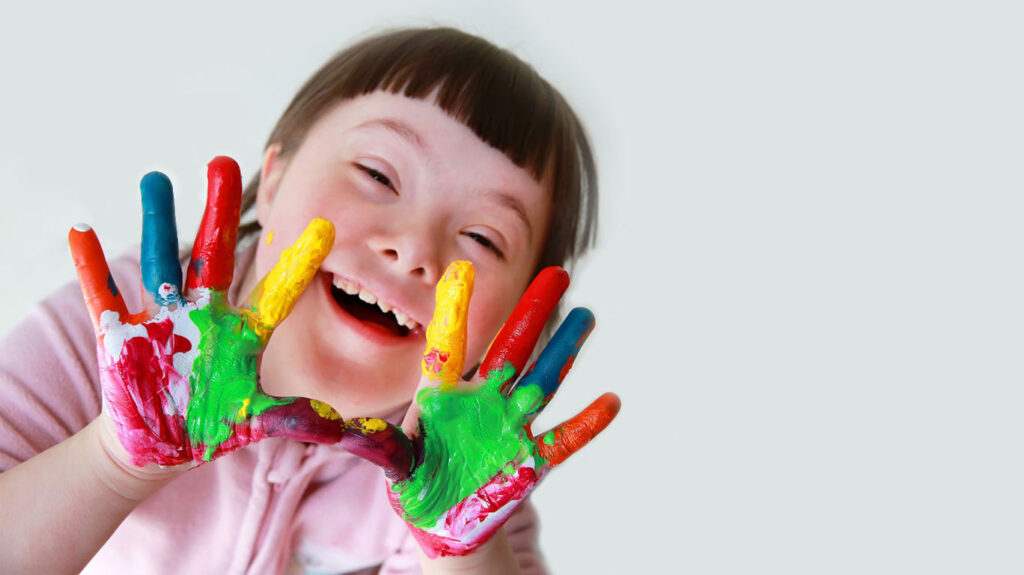
Down Syndrome is a genetic condition caused by the presence of an extra chromosome 21. It affects physical development, learning abilities, and sometimes health, but every person with Down syndrome is unique, with their own strengths and challenges. With early support, education, and healthcare, individuals with Down syndrome can lead fulfilling, active lives. It’s important to focus on their abilities, not limitations, and to promote inclusion, respect, and kindness.
Cerebral Palsy (CP) is a group of neurological conditions that affect movement, muscle tone, and coordination, usually caused by brain damage before, during, or shortly after birth. Symptoms vary from mild to severe—some people may walk independently, while others may need support. CP is not a disease and doesn’t worsen over time. With therapy, medical care, and assistive tools, individuals with cerebral palsy can lead meaningful and active lives. Understanding, accessibility, and encouragement play a key role in helping them thrive.

ABA Therapy is a proven method that helps children, especially with autism, learn communication, social, and daily living skills using positive reinforcement. It’s personalized and supports long-term growth.
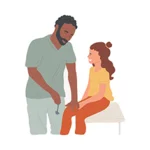
Occupational Therapy helps individuals build daily life skills like dressing, writing, and coordination. It boosts independence through hands-on activities.
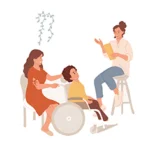
Physiotherapy improves movement, strength, and flexibility after injury or in conditions like cerebral palsy. It helps restore physical function and mobility.
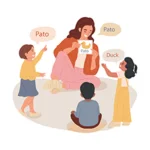
Speech Therapy supports communication and language development. It helps with speaking, understanding, and swallowing issues.

Ayurveda supports children with autism by promoting balance in the body and mind through natural remedies, diet, massage, and lifestyle practices. It helps improve focus, behavior, digestion, and overall well-being in a holistic, gentle way.

Panchakarma supports children with autism by detoxifying the body and balancing the mind through specialized Ayurvedic therapies. It helps improve focus, behavior, sensory processing, and overall well-being in a natural and holistic manner.

Allopathy supports children with autism through evidence-based medical approaches, including behavioral therapy, medications, and developmental interventions. It helps manage symptoms, improve communication, and enhance overall functioning and quality of life.

Naturopathy supports children with autism by using natural therapies like nutrition, detoxification, hydrotherapy, and lifestyle changes. It helps improve behavior, digestion, immunity, and overall well-being by encouraging the body's innate healing ability.
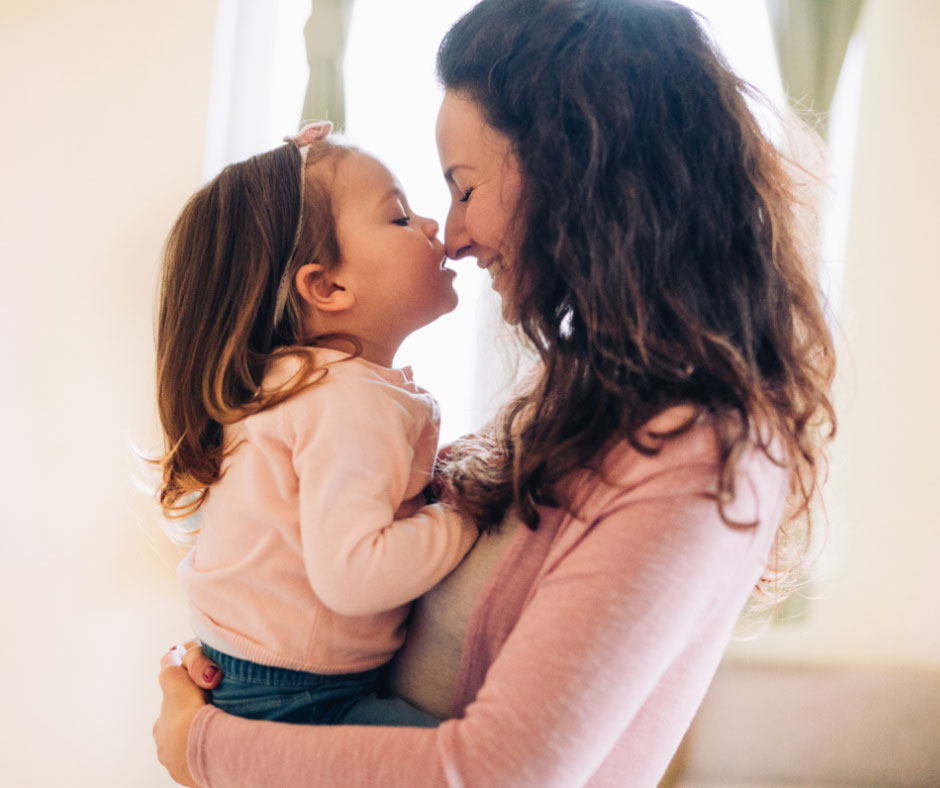
“We traveled from the UK to consult Dr. Navdeep Sharma after reading about his Ayurvedic approach to autism. My son, Ethan, has shown amazing progress—better eye contact, improved focus, and even started expressing his emotions more clearly. We feel truly blessed to have found him.”
“Dr. Sharma’s treatment was unlike anything we had tried in the U.S. His understanding of the mind-body connection and his customized herbal therapies made a huge difference. Our daughter, Emily, is calmer, sleeps better, and interacts more with her siblings.”
“We came from Canada looking for alternative support for our autistic son. Dr. Sharma’s deep knowledge of Ayurveda and his caring nature gave us hope and real results. Benjamin now communicates more and has fewer behavioral issues. We are truly grateful.”
Disclaimer:
Our consultation/treatment/services complement instead of replacing modern diagnosis and treatment. Results aren’t guaranteed but slow and steadily rejuvenate the body’s natural mechanisms. Minor effects like dizziness, vomiting, fatigue, or nausea may occur in rare cases and phase out depending on environment, dietary intake and patient metabolism. If still any adverse symptoms persist consult your regular physician.
WhatsApp us